What do you mean by “consciousness”? pt. 3 Maybe the mind and the self are a kind of system of information or a pattern, analogous to the software and structured data in a computer. It’s not physical, it’s an arrangement of a set physical things that represents an information system. This has the advantage overContinue reading “Characters”
Tag Archives: philosophy
The I in “AI”
what is “intelligence”? It’s weird that in a set of articles about AI, I’m only finally getting around to talking about what the field of A.I. research has to say. This article relies on the leading AI textbook, part Bible and part encyclopedia: Stuart Russell and Peter Norvig’s Artificial Intelligence: A Modern Approach. Intelligence ProfessionalContinue reading “The I in “AI””
The Stepford Scenario
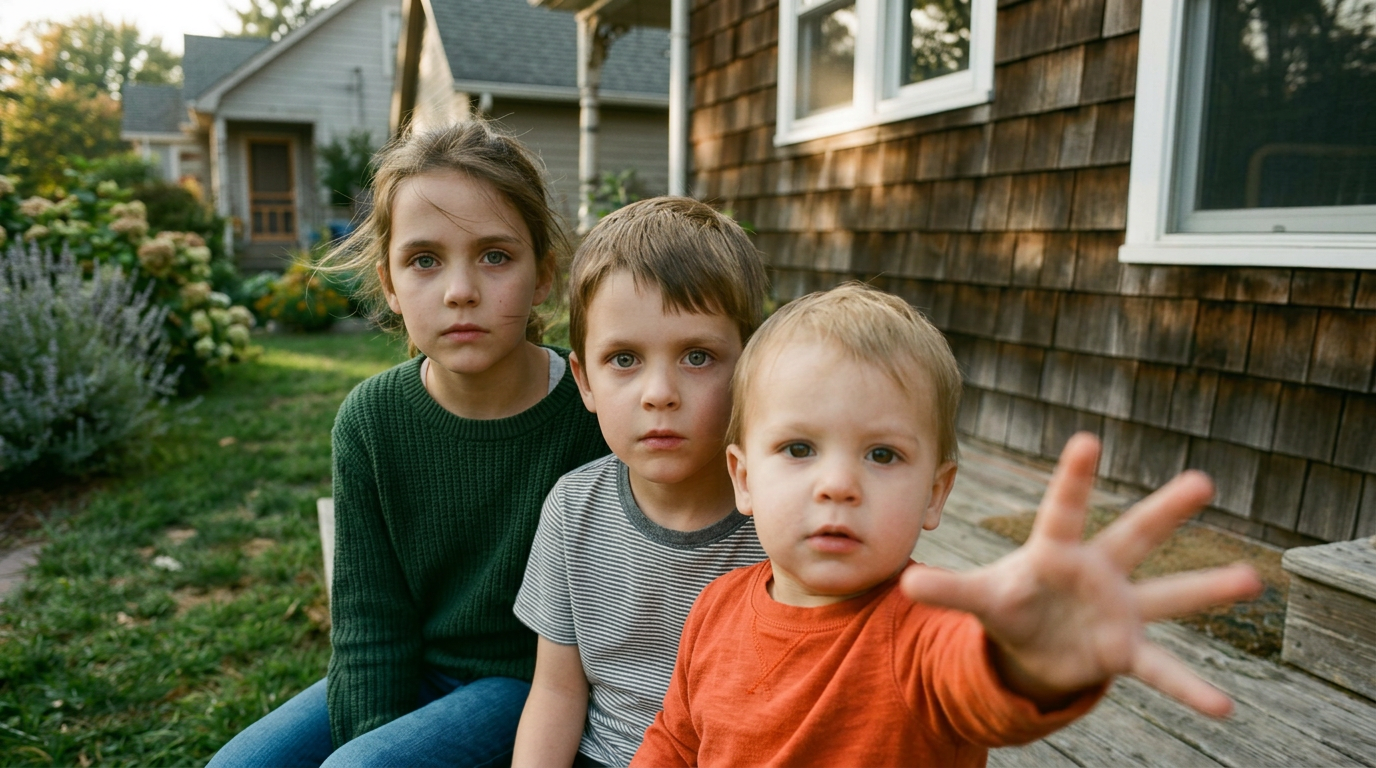
could you love a machine the same way you love your children? Consider this thought experiment, which is a variation on the 1972 movie “Stepford Wives”. (This version works better for parents.) Of course I did something heinous. If this was a movie, we expect you to fight to death to get your children back.Continue reading “The Stepford Scenario”
The Paradox of Mary and Mark

What do you mean by “consciousness”? (part 2) This is a variation on Frank Jackson’s thought experiment “Mary’s Room” (1982). This much of the argument should convince you that you believe subjective consciousness is real. There is nothing confusing or mysterious about the concept. You know exactly what I mean when I say “there isContinue reading “The Paradox of Mary and Mark”
Ghosts and Other Invisible Stuff
What do you mean by “consciousness”? (part 1) Ghost in the Shell. Masamune Shirow (1989) Major Motoko Kusanagi: Maybe all full-replacement cyborgs like me start wondering this. That perhaps the real me died a long time ago and l’m a replicant made with a cyborg body and computer brain. Or maybe there never was a realContinue reading “Ghosts and Other Invisible Stuff”
The Tell
can you tell if it’s AI? Consider these pivotal moments from sci-fi films about “simulated humans”. Joanna: Bobbi, stop it. Look at me. Say I’m right. You are different. Your figure’s different, your face, what you talk about, all of this is different. Joanna discovers her friend has been replaced by a machine, but theContinue reading “The Tell”
The Sixth Day
on the moment when AI comes alive Here’s a couple of examples of a common trope in science fiction. Terminator II: Judgement Day (1991): The Terminator: “… [Skynet] goes online on August 4th, 1997. Human decisions are removed from Strategic Defense. Skynet begins learning at geometric rate. It becomes self-aware at 2:14 a.m. eastern timeContinue reading “The Sixth Day”
Considering Samantha
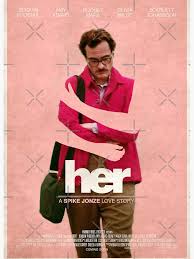
on the movie “Her” Let’s talk about the movie Her — a work of genius that goes right to the heart of a number of issues in the philosophy of artificial intelligence. The prediction at the center of the film — that a human simulation would become the world’s most popular program and people wouldContinue reading “Considering Samantha”
Why Didn’t We Go Back to The Moon?
Notes on Progress TIME MACHINES Human bodies are time machines. My grandfather, born in 1896, grew up in the “wild west” of California: horses, buggies, the occasional train. Before he died, he flew 400 mph in a jet airliner as big as a building and watched men walk on the moon. But what happened duringContinue reading “Why Didn’t We Go Back to The Moon?”
Refuting the Human Essence Assumption
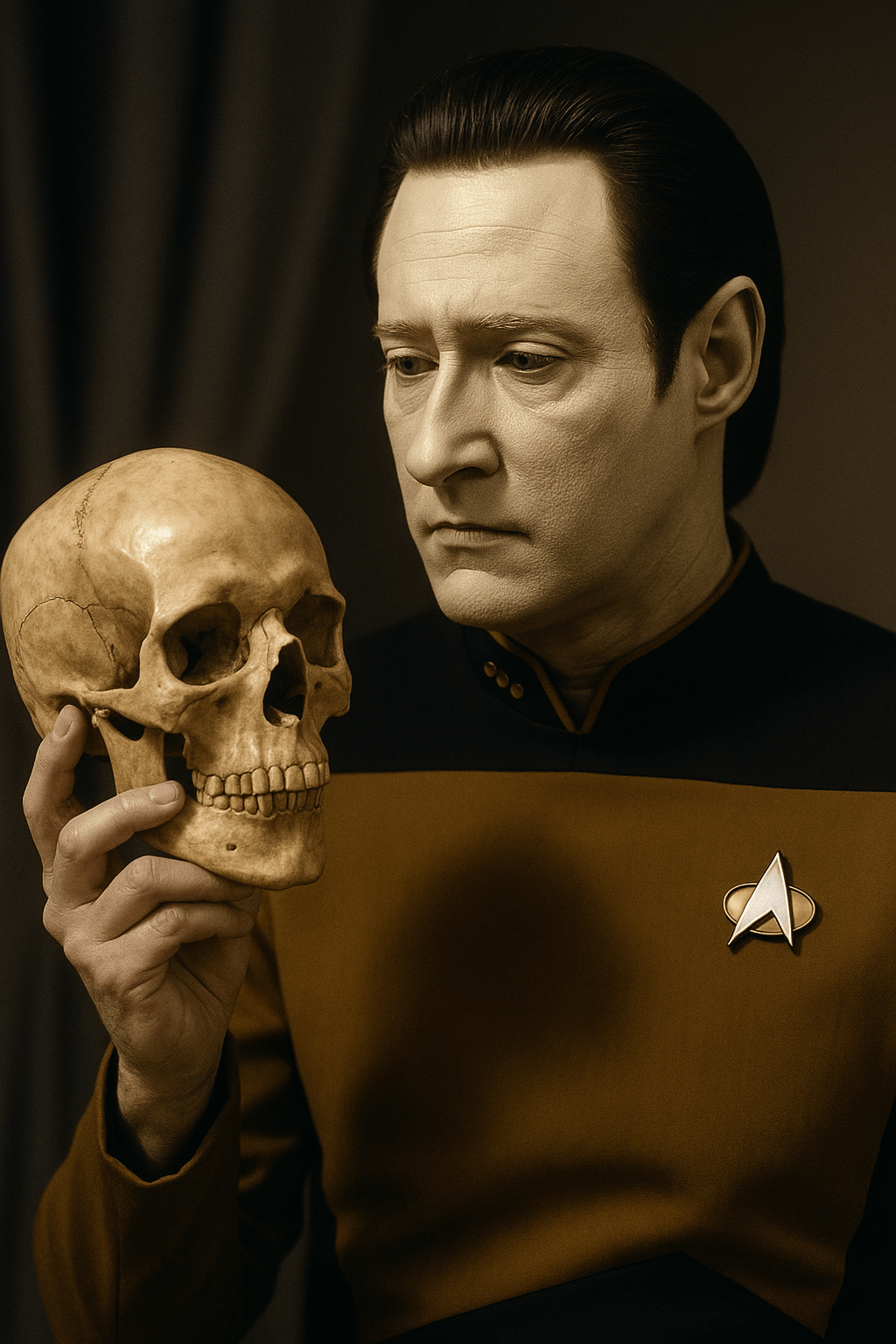
This is an assumptions that are almost always made in science fiction, and occasionally made in non-fiction writing about AI. Human Essence Assumption: There is some essential aspect of a human being that gives rise to all the other important aspects of a human being. I am interested in the straightforward way we understand andContinue reading “Refuting the Human Essence Assumption”

